The Spectrum of Wastewater: A Comprehensive Look into Different Types and their Origins
Wastewater is a natural byproduct of modern life. Every time we shower, wash dishes, manufacture goods, grow crops, or pave a street, water is used—and eventually discharged. But not all wastewater is the same. Each type has distinct characteristics, contaminants, and treatment needs.
Understanding the different categories of wastewater helps utilities, industries, and communities design effective treatment systems and protect public health and the environment. Below is a clear guide to the major types of wastewater, their origins, and what they typically contain.
1. Domestic Wastewater
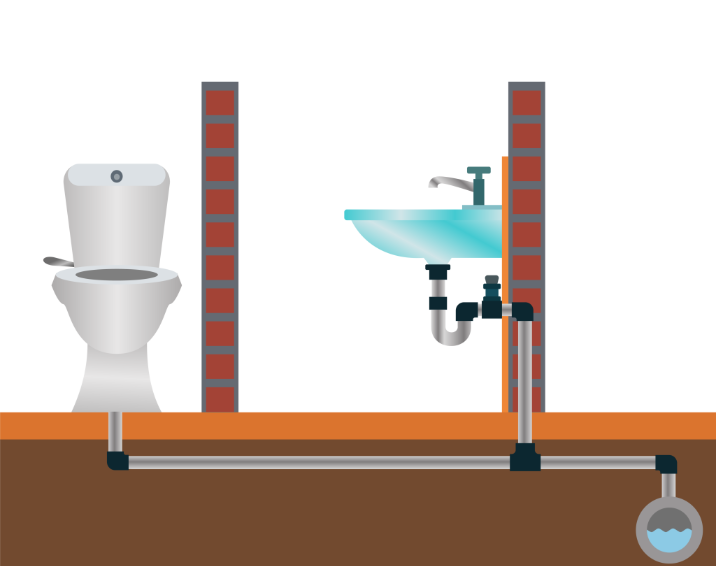
Origin: Homes and residential buildings
Includes: Water from toilets, sinks, showers, bathtubs, dishwashers, and washing machines
Domestic wastewater is what most people think of when they hear the term “sewage.” It contains organic matter, nutrients, soaps, detergents, and pathogens. This type of wastewater is typically conveyed to municipal treatment plants for processing.
2. Industrial Wastewater
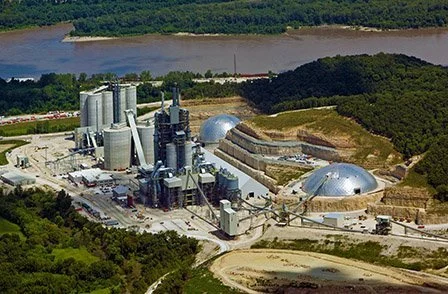
Cement manufacturing plant in Missouri.
Origin: Manufacturing and industrial facilities (e.g., oil and gas industry, textile mills, cement manufacturing, electrical manufacturing)
Includes: Process water, equipment washdown water, boiler blowdown, and cooling water
Industrial wastewater varies widely depending on the industry and type of facility. It may contain chemicals, heavy metals, oils, solvents, acids, alkalis, and other process-specific chemicals. Many industries must pretreat their wastewater before discharging it into a public sewer system.
3. Agricultural Wastewater
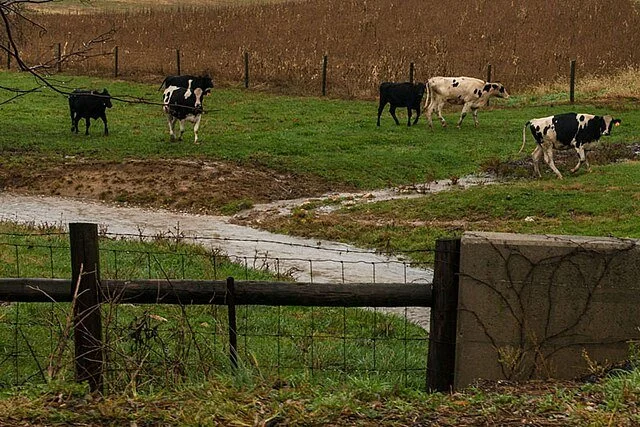
Origin: Farming operations, livestock facilities, and irrigated land
Includes: Irrigation return flows, runoff from crop fields, and drainage from animal holding areas
This type of wastewater often carries fertilizers, pesticides, animal waste, and sediment. If not properly managed, it can contribute to nutrient pollution in nearby waterways.
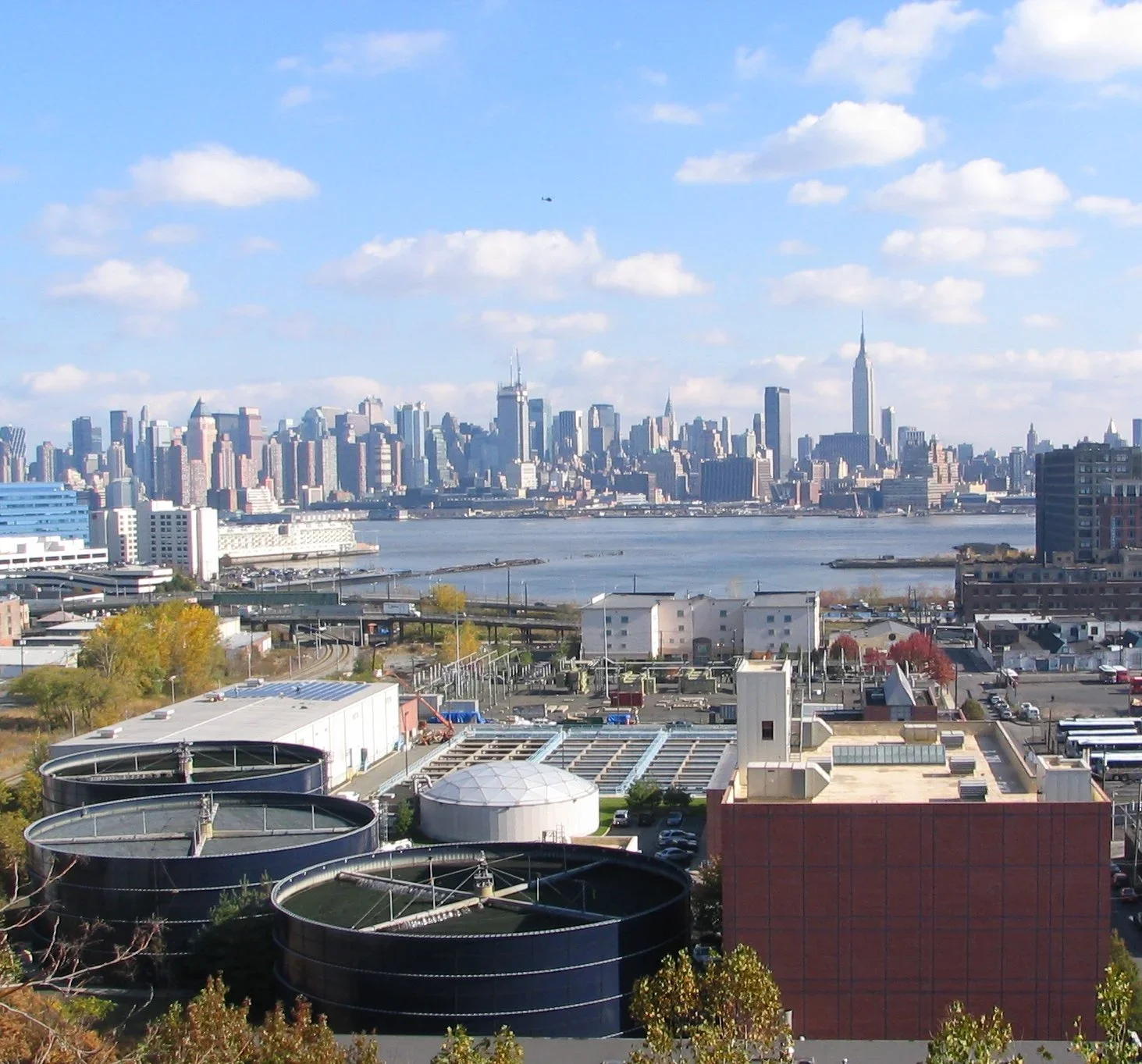
Adams Street Wastewater Treatment Plant in Hoboken
4. Municipal Wastewater
Origin: Cities and towns
Includes: A combination of domestic wastewater and, in some systems, stormwater runoff
Municipal wastewater reflects the collective discharge from homes, businesses, and institutions within a community. In areas with combined sewer systems, rainfall can mix with sewage, increasing the volume that treatment plants must handle.
5. Stormwater Runoff
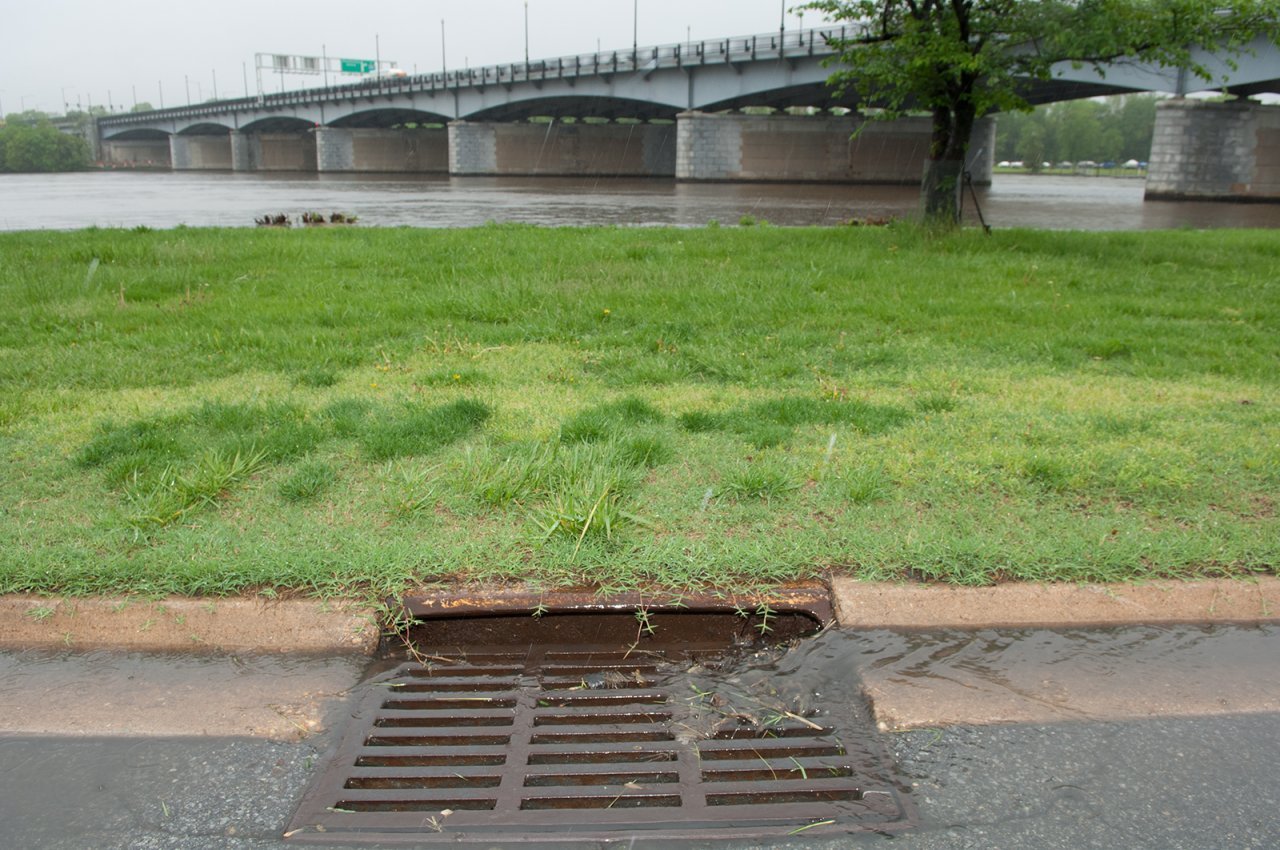
Origin: Rainfall and snowmelt flowing over land
Includes: Water from streets, parking lots, rooftops, and other surfaces
Stormwater may appear clean, but as it flows, it can pick up oil, trash, metals, road salt, and other pollutants before entering storm drains or waterways. Managing stormwater is critical to preventing flooding and protecting water quality of water bodies like the Hudson River.
6. Commercial Wastewater

Origin: Businesses such as restaurants, hotels, car washes, and laundries
Includes: Wastewater related to commercial activities
The composition depends on the type of business. For example, restaurants generate grease-laden wastewater, while laundries may discharge detergents and suspended solids.
7. Greywater
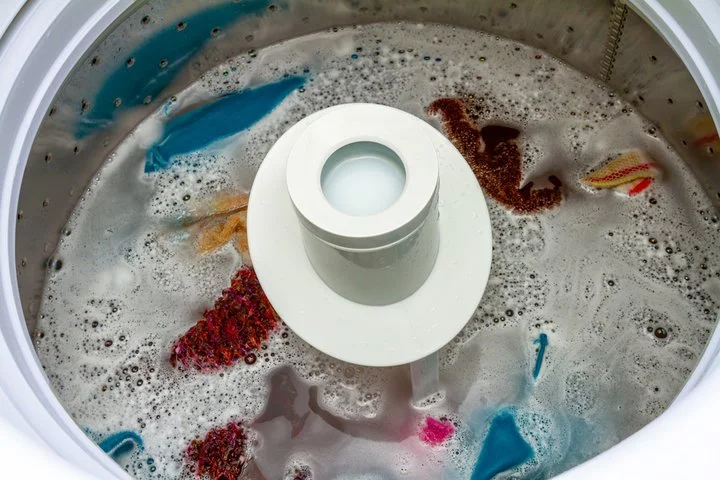
Origin: Households
Includes: Water from showers, bathtubs, bathroom sinks, and washing machines
Greywater does not include toilet waste. With proper treatment and regulatory approval, it can sometimes be reused for non-potable purposes such as irrigation or toilet flushing, helping conserve freshwater resources.
8. Blackwater
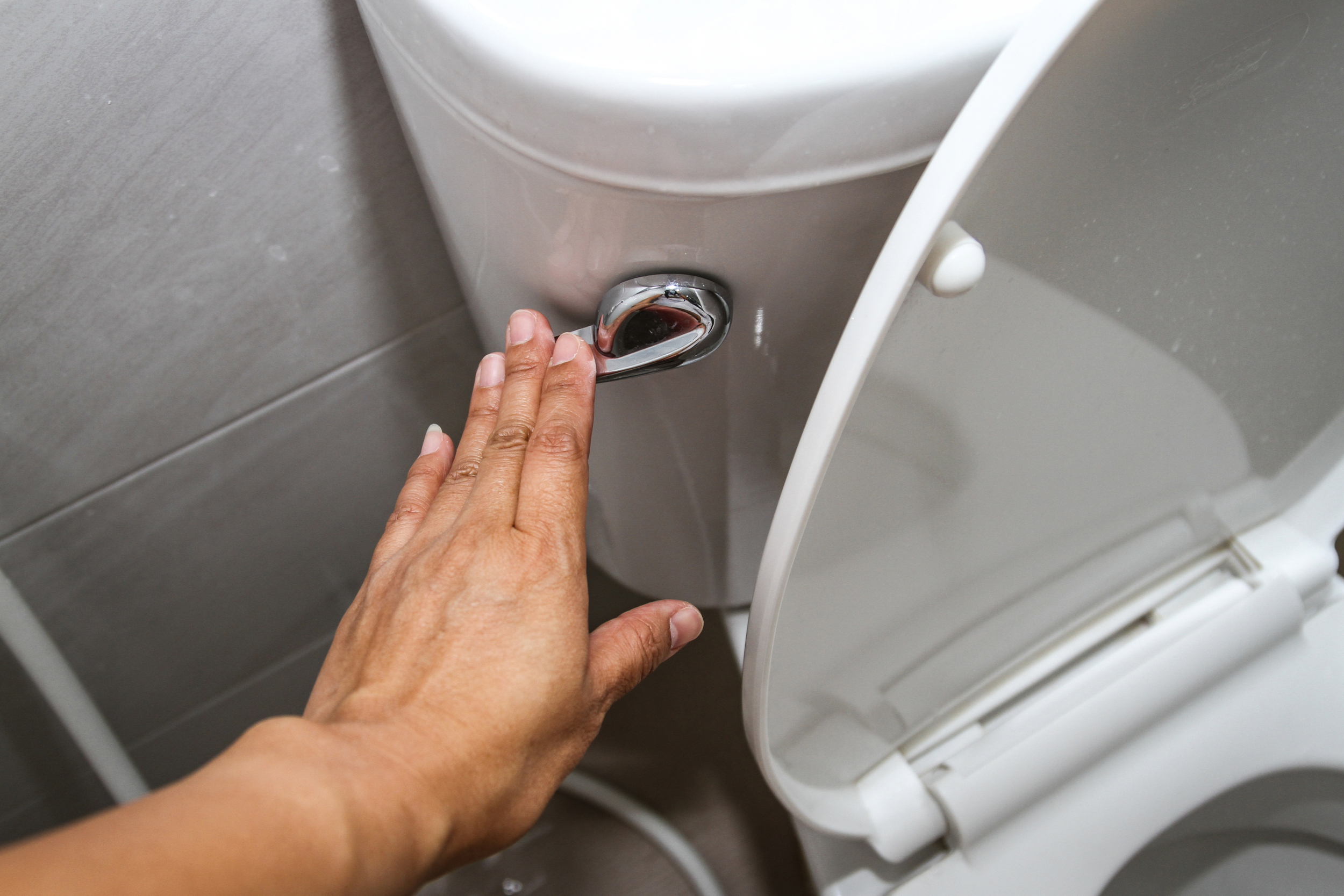
Origin: Toilets and sanitary fixtures
Includes: Human waste and toilet water
Blackwater contains higher levels of pathogens and organic material than greywater, including coliform bacteria and E.Coli bacteria. and requires thorough treatment before discharge or reuse.
9. Food and Beverage Wastewater
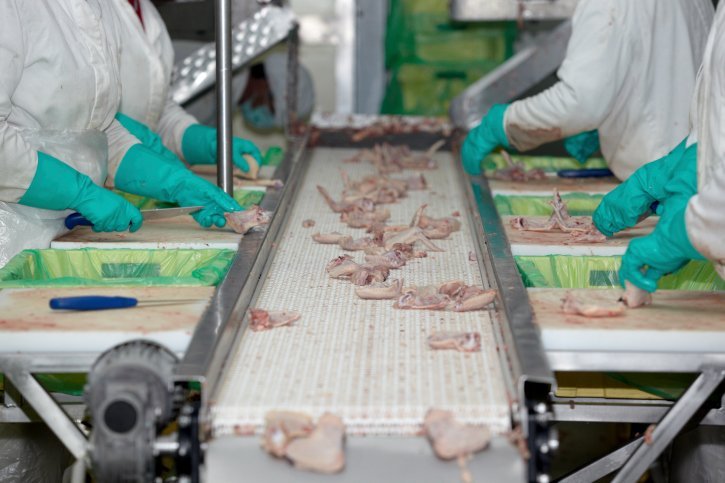
Poultry production facility
Origin: Food processing plants and beverage production facilities
Includes: Wash water from food processing, equipment cleaning water, and liquid byproducts from production
Wastewater produced at food processing plants (e.g., meat and poultry production facilities) can high concentrations of nitrogen, phosphorus, chlorides, and E.Coli bacteria, as well as fats, oils, and grease. This wastewater can significantly impact oxygen levels in receiving waters if not properly treated.
10. Medical Wastewater
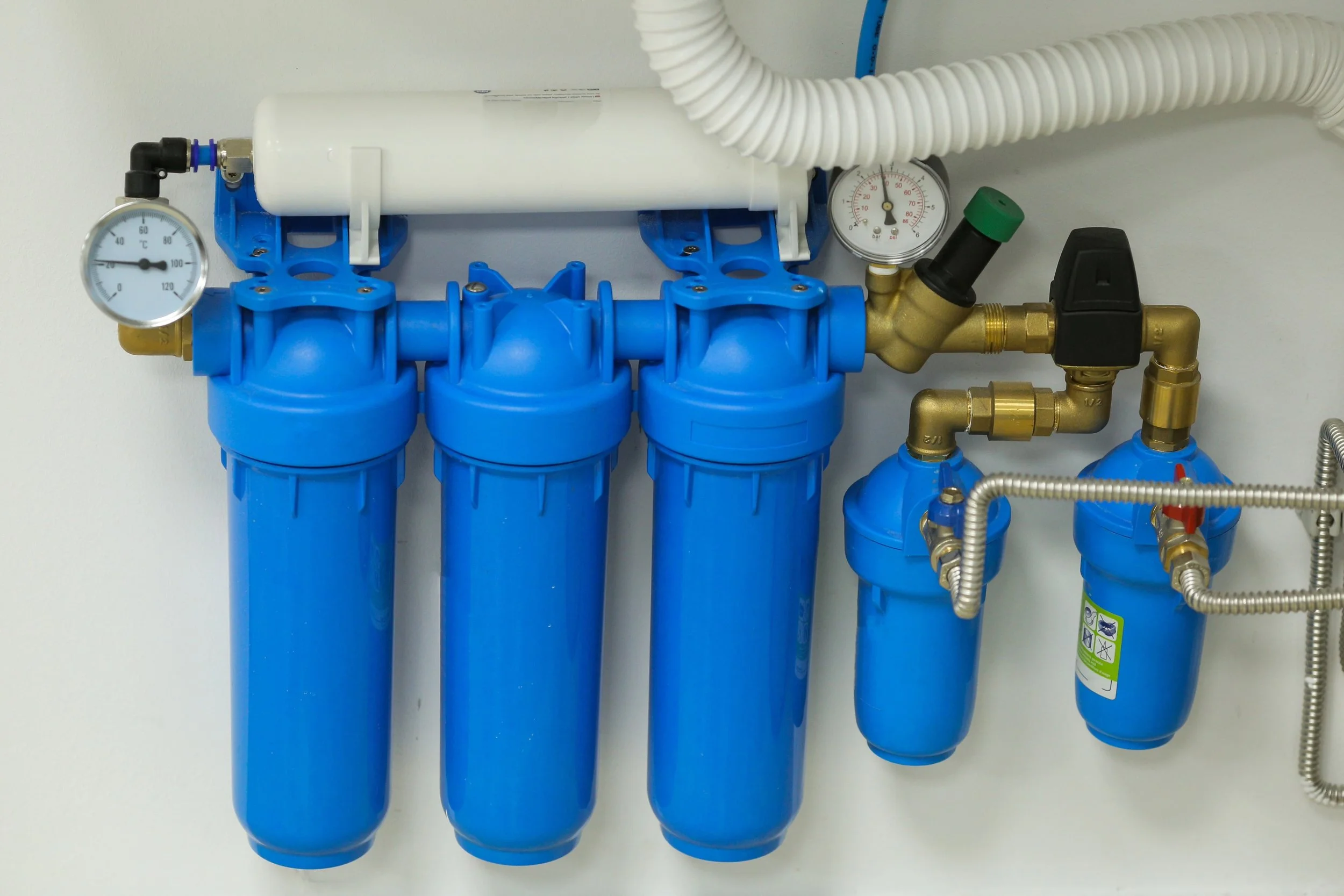
Under sink water filtration system in a hospital
Origin: Hospitals, clinics, and laboratories
Includes: Wastewater from patient care areas, laboratories, surgical suites, pharmacies, and facility cleaning operations
Medical wastewater enters the sanitary sewer system along with other building discharges but may contain trace compounds and pathogens associated with healthcare activities. Depending on local regulations and facility practices, certain streams may require on-site management or pretreatment before discharge.
11. Leachate
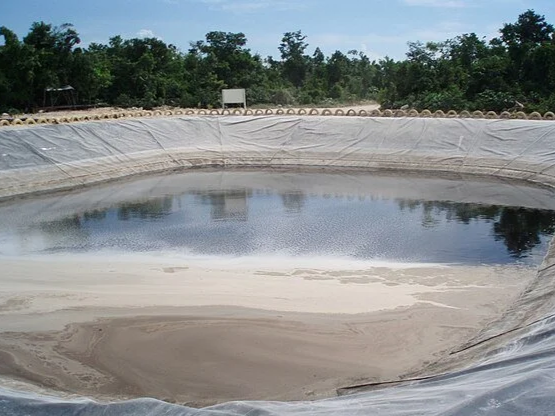
Leachate evaporation pond at a landfill in Cancún, Mexico.
Origin: Landfills
Includes: Water that has percolated through solid waste and been collected through landfill drainage systems
Leachate often contains high concentrations of organic and inorganic pollutants. Due to its strength and complexity, it requires specialized treatment before discharge.
12. Mining Wastewater
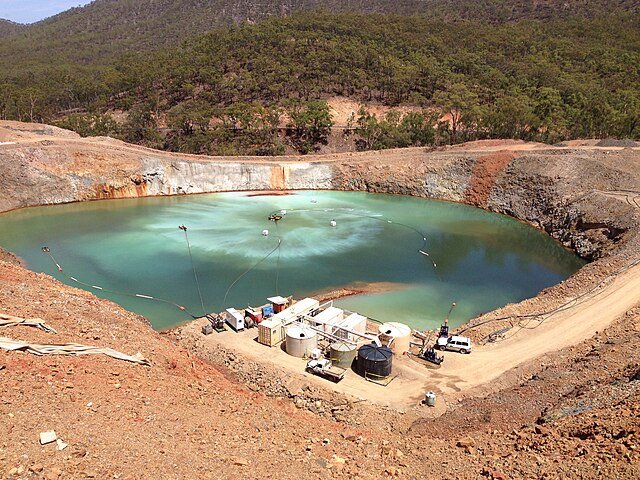
Mining wastewater treatment plant in Queensland, Australia.
Origin: Mining and mineral processing operations
Includes: Process water from mineral extraction, drainage from mine shafts, and runoff from storage areas
Mining wastewater can be highly acidic or metal-rich, particularly in cases of acid mine drainage. Careful treatment and monitoring are essential to prevent long-term environmental damage.