Understanding the Clean Water Act: What It Is and Why It Matters to New Jersey Residents
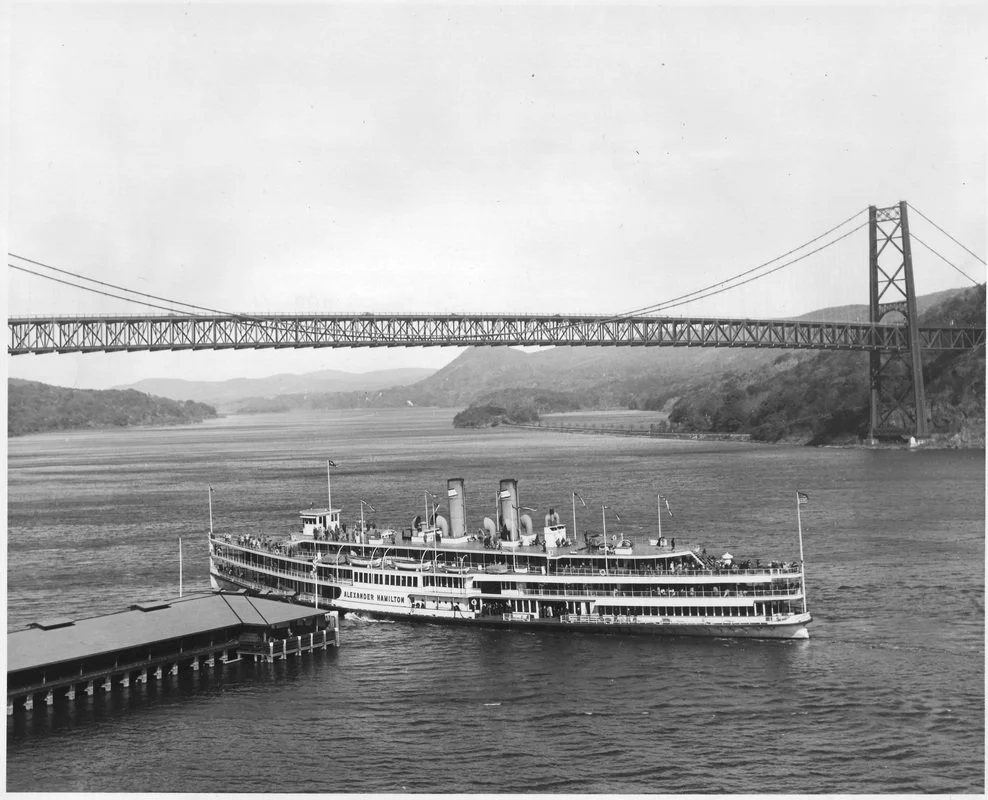
Image credit: Hudson River Maritime Museum, “The Hudson River Day Line – 1863–1971.”
What Is the Clean Water Act?
The Clean Water Act is a federal law passed by Congress in 1972 to protect and restore the nation's waters. Before the law was enacted, many rivers, lakes, and streams across the United States were heavily polluted by untreated sewage, industrial waste, and stormwater runoff.
The conditions in many waterways had become so dire that the Cuyahoga River in Ohio famously caught fire in 1969 — an event that shocked the nation and helped galvanize public support for stronger environmental protections. Around the same time, Lake Erie was declared "dead" by many scientists due to severe pollution and oxygen depletion caused by unchecked industrial and municipal waste discharge. These high-profile environmental crises, combined with the growing environmental movement of the late 1960s, created the political momentum needed to pass landmark legislation.
The primary goal of the Clean Water Act is simple: to ensure that America's waters are safe for fishing, swimming, recreation, wildlife, and other beneficial uses. The law established standards for water quality, regulated the discharge of pollutants into waterways, and provided funding to improve wastewater treatment systems throughout the country.
Some key components of the law include:
Regulating Pollution Discharges: Industries, municipalities, and wastewater treatment facilities must obtain permits before discharging treated wastewater into waterways. These permits establish limits on the types and amounts of pollutants that can be released.
Supporting Wastewater Treatment: The Clean Water Act helped fund the construction and modernization of wastewater treatment plants across the country. Facilities such as the North Hudson Sewerage Authority (NHSA) remove pollutants from wastewater before treated water is safely returned to the environment.
Managing Stormwater Runoff: Rain and melting snow can wash pollutants such as oil, fertilizers, litter, and pet waste into local waterways. The Clean Water Act requires communities and businesses to implement practices that reduce stormwater pollution.
Protecting Wetlands and Aquatic Habitats: Wetlands act as natural filters and help reduce flooding. The Clean Water Act provides protections for many wetlands and other sensitive aquatic ecosystems.
Why the Clean Water Act Matters in New Jersey
New Jersey is home to thousands of miles of rivers and streams, extensive coastal waters, and numerous lakes and reservoirs. These waterways support recreation, tourism, fishing, wildlife habitat, and drinking water supplies.
Before the Clean Water Act, New Jersey's waterways suffered serious pollution problems. The Passaic River, one of the state's most prominent waterways, was heavily contaminated by decades of industrial discharge, and portions of the Hudson River carried significant pollution from surrounding urban and industrial activity. The passage of the Clean Water Act brought federal resources and enforceable standards that helped New Jersey—and groups like NHSA—begin the long process of restoration.
The Clean Water Act helps ensure that pollution is controlled, wastewater is properly treated, and waterways remain safe and healthy for current and future generations.
How Can Residents Help Protect Water Quality?
Protecting clean water is a shared responsibility. Small actions taken by individuals can make a significant difference in protecting local waterways. Residents can support clean water efforts by:
Properly disposing of fats, oils, and grease instead of pouring them down drains.
Picking up pet waste.
Limiting the use of fertilizers and pesticides.
Never flushing wipes, medications, or other non-flushable items.
Participating in community clean-up events.
Reporting illegal dumping or pollution incidents.
Looking Ahead
More than 50 years after its passage, the Clean Water Act remains one of the most important environmental laws in the United States. It has helped transform polluted waterways, improve public health, and protect natural resources that communities depend on every day. Whether you're fishing, kayaking, boating, or spending a day at the beach, the Clean Water Act helps ensure that waterways are safer for recreational activities. Many New Jersey waterways are cleaner today than they were decades ago thanks to improvements in wastewater treatment and pollution controls. For New Jersey residents, the Clean Water Act helps ensure cleaner rivers, healthier ecosystems, safer recreation, and a more sustainable future. By continuing to invest in wastewater infrastructure and practicing responsible habits at home, we can all play a role in protecting the water resources that make our communities thrive.